PictureZ for Auto Repair: More Estimates
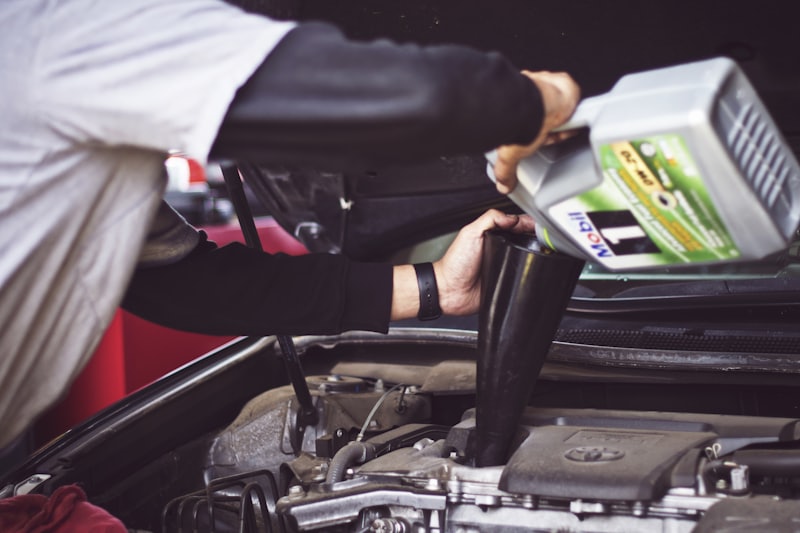
How PictureZ Helps Auto Repair Shops Get More Estimates
An auto repair shop's work comes in through a specific front door: the estimate. A customer's car is making a noise, a light came on, they need brakes checked before a trip. Before they hand over a key, they make a quick decision about which shop to call for a price. That decision is made on their phone, often standing in a parking lot, and it usually goes to whoever looks real, trustworthy, and reachable in that moment.
Most auto shop "websites" don't survive that decision. They're a decade-old page with a photo of the building, a list of services in jargon, and a contact form nobody watches. This page explains how PictureZ builds websites for auto repair shops that genuinely work: sites that make the phone ring or the estimate request come in, and make sure the call isn't lost when it does.
The estimate moment
An estimate request is a small moment of intent with a short shelf life. The driver hasn't committed to any shop; they're still piling up possibilities. When the check-engine light flickers at a drive-thru, they're hunting for "auto repair near me" and calling whichever shops look ready.
In that moment, a shop wins or loses on three honest things:
- Being findable: actually showing up in the light search and the map.
- Looking professional: a site that suggests a real shop with real technicians, not a placeholder.
- Being reachable: someone answering the phone or capturing the request cleanly, and doing it fast.
Your site can't control the first one alone, since local search involves your profile, reviews, and competition and no honest builder promises a first-page ranking. But it can carry the weight confidently in the second and third, and do its share of the first.
What an auto shop website needs to fill the estimate pipeline
Services that speak the driver's language
A customer starts from a symptom, not a category. They don't search "OBD second diagnostic services"; they search "check engine light", "shakes at highway speeds", "brake pads price". An estimate-friendly site is one that speaks that language: plain-language services that says what you fix and how people usually describe it, the makes you service, and honest starting prices where you can share them.
A page that says "We handle the usuals: brakes, alignments, oil changes, diagnostics, and we'll tell you plainly if something is beyond us" is not just a services list; it's a trust brochure.
A contact path built for the way customers ask
People don't want to email their car problem. They want one of two things: make a call with a clear number, or a short form that lets them describe exactly what's going on. The classic estimate form asks for name, email, and a "message" box the driver stares into. The form that works asks for the things you actually need to pre-answer: year, make, model, what it's doing, and when it's convenient to call. That form lets the customer give you the details at their own pace, and, crucially, gives you a callback moment that's not a missed call.
And your phone number has to be impossible to miss on a phone screen: in the header, on every page, tap-to-call. On a customer's phone, making a call is one tap; a shop that makes that tap impossible to find and answer has converted the parked-lot moment before the next shop even loads.
Trust that does the selling for you
An estimate request is trust in a box. The customer is inviting you to quote on the second most expensive thing they own. The site's job is to make that feel human. A few things carry real weight:
- Real photos of your shop, your lifts, your techs at work. Whatever else is on the page, this is the stuff.
- Your real history: how long you've run, where you are, who's certified, what you genuinely specialize in.
- Your policies said plainly: how estimates work, what you charge (if you charge for diagnosing), whether the estimate is first-step.
- Where you have them, real online reviews; where you don't, no invented ones. A shop that asks customers for Google reviews after good work beats a shop that looks like it wrote its own.
A customer reading "we'll show you the old part and the new part before we put it in" knows they've found a rare kind of shop. That's a website's job: to let the real shop come through.
Local findability
An auto shop lives and dies on "near me" search. The site should carry your name, address, phone, service area, and hours consistently, in the same form as on your Google Business Profile and your listings, and it should include some honest local content: the neighborhoods you're the shop for, the makes you see a lot, the services local drivers actually buy. A shop near a manufacturing plant that sees a lot of fleet trucks and a shop in a suburb full of minivans genuinely benefit from saying so on their sites; that specificity is part of what tells both search engines and drivers that you're a real, relevant option, not a generic template. That's the part of local SEO a real site can carry honestly, without anyone having to oversell it.
The phone half: making sure the estimate request survives contact
Here's the honest weakness in a phone-first trade: the estimate comes in on a call, and calls arrive at the least workable hour: Saturday morning, evening, lunch rush, the moment the whole bay is on a lift and nobody is at the front desk.
That's why PictureZ treats the phone as a first-class citizen. On a PictureZ setup, every number on the site, plus the estimate form and the callback promise, is wired to a line that's covered. The AI receptionist on the TelBuddy phone system picks up in the shop's name, asks the things that actually matter (the year, make, model, and what the car is doing), captures the caller's number, and sends a confirmation text. By the time an estimate conversation genuinely needs a human in it, you already have the useful details right there. (For a plain breakdown of what this kind of coverage actually costs versus a missed job, see what an AI answering service really costs.)
The website's job is to make the phone ring with intent, and to make sure that ring reaches a real handling, not the voicemail that turns a ready buyer into a next shop's customer.
What it costs
The prices are simple and on the table:
- Website: $199 one-time: an SEO-ready, mobile-first auto shop site with plain-language services, a detail-friendly estimate form, trust-building, and local-search fundamentals.
- AI Receptionist: $149/month, to answer every call, capture estimate details and callback info, and confirm by text, set up on the TelBuddy phone system.
- Bundle: $299 once + $99/month, the website and the AI receptionist together, at the lowest monthly rate, which is the setup built for the estimate pipeline that never sleeps.
For a shop where one brake job can pay for the entire month, the math on not losing an estimate is quick to do.
Frequently Asked Questions
Can the AI receptionist actually give a repair price over the phone?
No, and it isn't meant to. Real estimates need a technician to see or at least hear more about the vehicle, so the AI receptionist focuses on capturing the year, make, model, and symptoms accurately and getting that to your team, rather than guessing at a number it can't responsibly quote.
What happens if a caller wants to talk to someone immediately?
Calls that genuinely need a person get routed to your staff rather than held up by the AI. It's built to catch the calls that would otherwise go to voicemail, not to stand between an urgent customer and your front desk.
Does this replace my front desk person?
Not usually. Most shops use it to cover the hours and moments a front desk can't, like early mornings, lunch rush, or when the whole team is on lifts, rather than as a full replacement. It's coverage for the gaps, not a swap for the person who already knows your regulars.
Is a $199 website worth it for a shop that already gets business from word of mouth?
Word of mouth still sends people to search for your name or your services before they call, and if what they find is an outdated page or nothing at all, that referral can quietly go cold. A site mainly makes sure that trust, once earned, doesn't get lost at the last step.
The bottom line
Auto repair shops get more estimates the day their online presence matches how customers actually start shopping: a clear professional front, plain-language services, an easy path to give you the details, and a phone that answers the moment it rings. A PictureZ website builds the half customers see, and the AI receptionist guards the half that matters most: the call that arrives at the wrong hour. That's the honest path from a warning light to more work on your lifts, with no ranking promises, no invented results, just a front door that's findable, trustworthy, and always answering. For more on the phone side specifically, see AI receptionist for auto repair shops, or meet the author.